
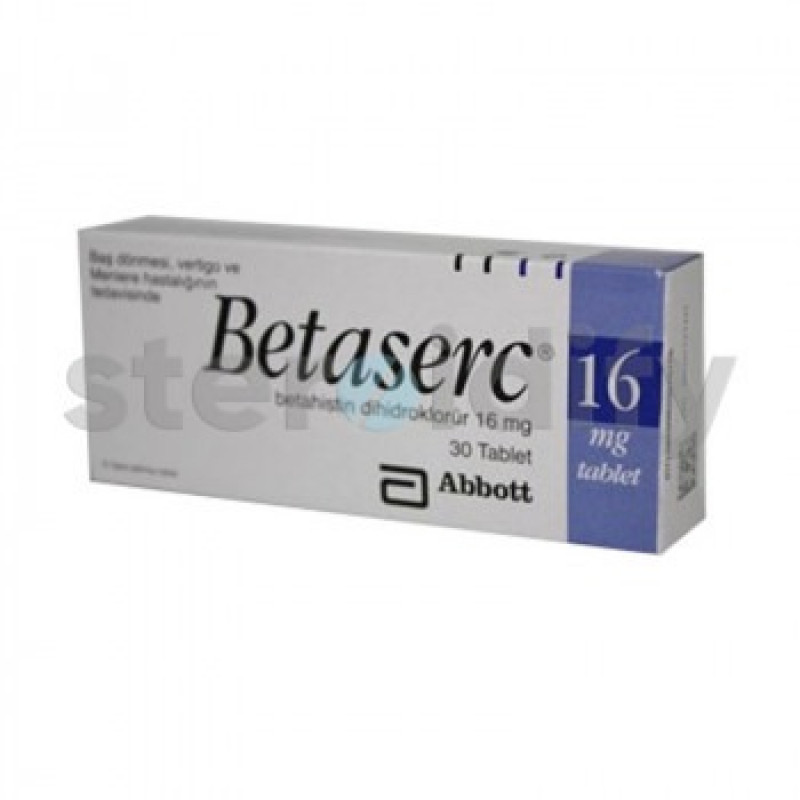
Betaserc (Betahistine) — Professional Relief for Vertigo and Meniere's Disease
Are you or a loved one struggling with sudden dizziness, vertigo, or the persistent ringing of tinnitus? Betaserc is a specialized medication formulated with Betahistine to assist in the management of vertigo and Meniere's disease. By supporting healthy circulation in the inner ear, Betaserc helps reduce the frequency and severity of vertigo attacks, helping you regain your sense of balance and stability.
Specifications
| Active Substance | Betahistine |
| Manufacturer | Abbott |
| Form | 30 pills x 16 mg |
| Active Half-life | 4 hours |
| Acne/Water Retention | No |
| Hepatotoxicity | No |
Product Overview & How it Works
Betaserc is used primarily for the treatment of vertigo and related inner ear disorders. The condition known as vertigo can cause intense dizziness and a sensation that the world is moving or spinning, which can be deeply disruptive to daily life. The active ingredient, Betahistine, works by improving blood flow to the inner ear. This improvement in circulation is essential for maintaining the balance system and managing the symptoms of Meniere's disease.
While Betaserc is highly effective at reducing the intensity of attacks, it is important to follow the prescribed dosage. The standard usage involves 8 mg taken three times a day, with a maximum daily dosage of 4s8 mg. For best results and to minimize stomach upset, we recommend taking the tablets with meals. Please note that this medication is intended for use over longer periods, typically ranging from 6 months to 1 year, depending on your physician's guidance.
Safety and Precautions
To ensure-safe usage, please note that Betaserc should be avoided by patients with a history of pheochromocytoma (adrenal gland tumors) or those with allergies to Betahistine. Additionally, extra caution should be taken when using this medication if you have asthma or gastric/duodenal ulcers. As with all medicines, it is vital to consult with your healthcare professional before starting a new treatment regimen.
Frequently Asked Questions (FAQ)
Can I take Betaserc with other medications?
It is important to monitor drug interactions. Betaserc should be avoided when taken alongside MAO inhibitors (such as moclobemide, selegiline, or phenelzine) and certain antihistamines (such as dimenhydrinate, diphenhydramine, or cetirizine). Always inform your doctor of your current medication list.
What are the potential side effects?
While generally well-tolerated, some users may experience nausea, vomiting, dyspepsia, abdominal pain, or flatulence. In some cases, patients may experience headaches or orthostatic hypotension (a sudden drop in blood pressure when standing up). If you experience any side effects, consult your physician immediately.
Is Betaserc safe during pregnancy and breastfeeding?
The use of Betaserc during pregnancy should be based on a risk-benefit analysis, ensuring the benefit to the mother outweighs the potential risk to the child. Regarding breastfeeding, it is currently unknown if the drug passes into breast milk; therefore, caution is advised.
Is it safe to drive while taking this medication?
If you experience dizziness or lightheadedness as a symptom of your condition, you should avoid operating motor vehicles or heavy machinery until your balance and stability are restored.