
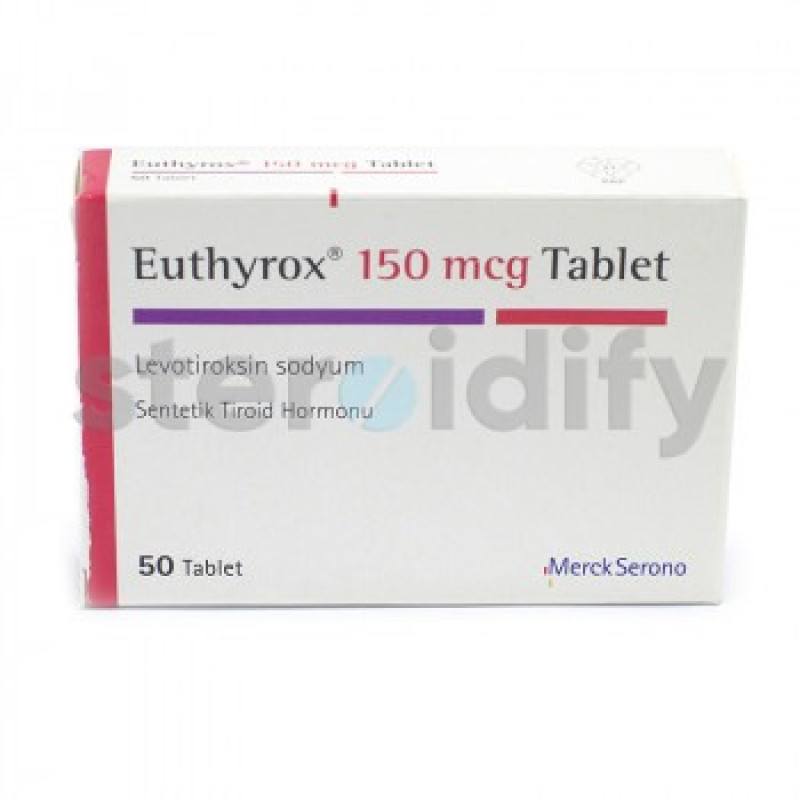
Euthyrox 150mcg - Levothyroxine Sodium Replacement Therapy
Restore your metabolic balance with Euthyrox 150. Designed for precision replacement therapy, this Levothyroxine Sodium formula is an essential solution for those managing hypothyroidism and seeking to regulate metabolic functions. Whether you are addressing underactive thyroid symptoms or managing goiter, Euthyrox provides the consistency required for thyroid hormone supplementation.
Specifications
| Active Substance | Levothyroxine Sodium |
| Dosage | 150 mcg |
| Form | 50 pills |
| Manufacturer own | Merck |
Product Overview and Usage
Euthyrox 150 is a synthetic version of the thyroid hormone thyroxine (T4). This hormone is naturally produced by the thyroid gland to regulate the body's metabolic rate. When the thyroid is underactive, body processes slow down, leading to symptoms such as fatigue, weight gain, and decreased body temperature. Through supplementation, this medication helps restore the basal metabolic rate and supports the proper development of cells.
This medication is primarily indicated for replacement therapy in the treatment of hypothyroidism. It is also utilized to suppress TSH secretion in specific conditions such as diffuse non-symptomatic goitre and Hashimoto’s thyroiditis, as well as in certain thyroid carcinoma contexts.
Clinical Considerations:
While Euthyrox is highly effective for replacement therapy, it is important to adhere to prescribed dosages. Excessive dosage may lead to side effects such as tachycardia, palpitations, cardiac arrhythmias, or nervousness. Users should be aware of potential interactions with various medications.
Potential Interactions:
- Antiarrhythmics (Amiodarone)
- Antibacterials (Rifampicin)
- Anticoagulants and Antidiabetics
- Antidepressants and Antiepileptics
- Antivirals and Beta Blockers
- Iron salts and NSAIDs
- Sex hormones
Warnings and Contraindications:
Euthyrox is not suitable for individuals experiencing acute myocardial infarction or thyrotoxicosis uncomplicated by hypothyroidism. It should be used with caution in patients with obesity, cardiovascular disease, or endocrine disorders. Always consult with a medical professional to ensure the dosage is tailored to your specific metabolic requirements.